SCADA Systems & Telemetry Monitoring

What is SCADA ?
SCADA is an acronym that stands for “Supervisory Control and Data Acquisition”. A SCADA system is an amalgamation of software and hardware that integrates with control systems. It is essentially a multi-faceted computer system that collects and analyzes data while providing remote control functionality for high-level processes.
What SCADA Does ?
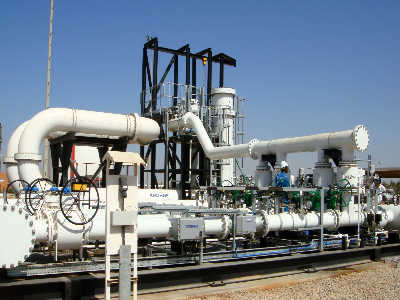
SCADA systems monitor and control plants (such as a water treatment plant) and other complex systems that are spread out over large geographic areas. They do this by allowing for supervisory operation over a number of devices. Industries that make use of this technology include water distribution, wastewater management, telecommunications, energy, transportation, and gas and oil refining.
What is Telemetry
Telemetry is a data acquisition technology that allows for the remote recording, transmission, and reporting of information. The process is primarily accomplished through the use of a telemetry unit (or telemetry system) that communicates wirelessly through a category of software known as SCADA (more on this shortly). It is worth noting that this process isn’t exclusively wireless and can also be done using telephones and computer networks. Telemetry monitoring makes it possible for useful measurements to be sent and received remotely.
It is an efficient, real-time solution for monitoring environmental conditions and equipment functionality. The benefit of telemetry monitoring is that it provides immediate access to the most relevant information needed to make data-informed decisions. Due to the remote capabilities of this technology, data and measurements can simultaneously be available to decision makers, operators, and engineers. For the ultra-nerdy linguists out there, the Greek origins of the word “telemetry” are rooted in “tele” (remote) and “metron” (measure).